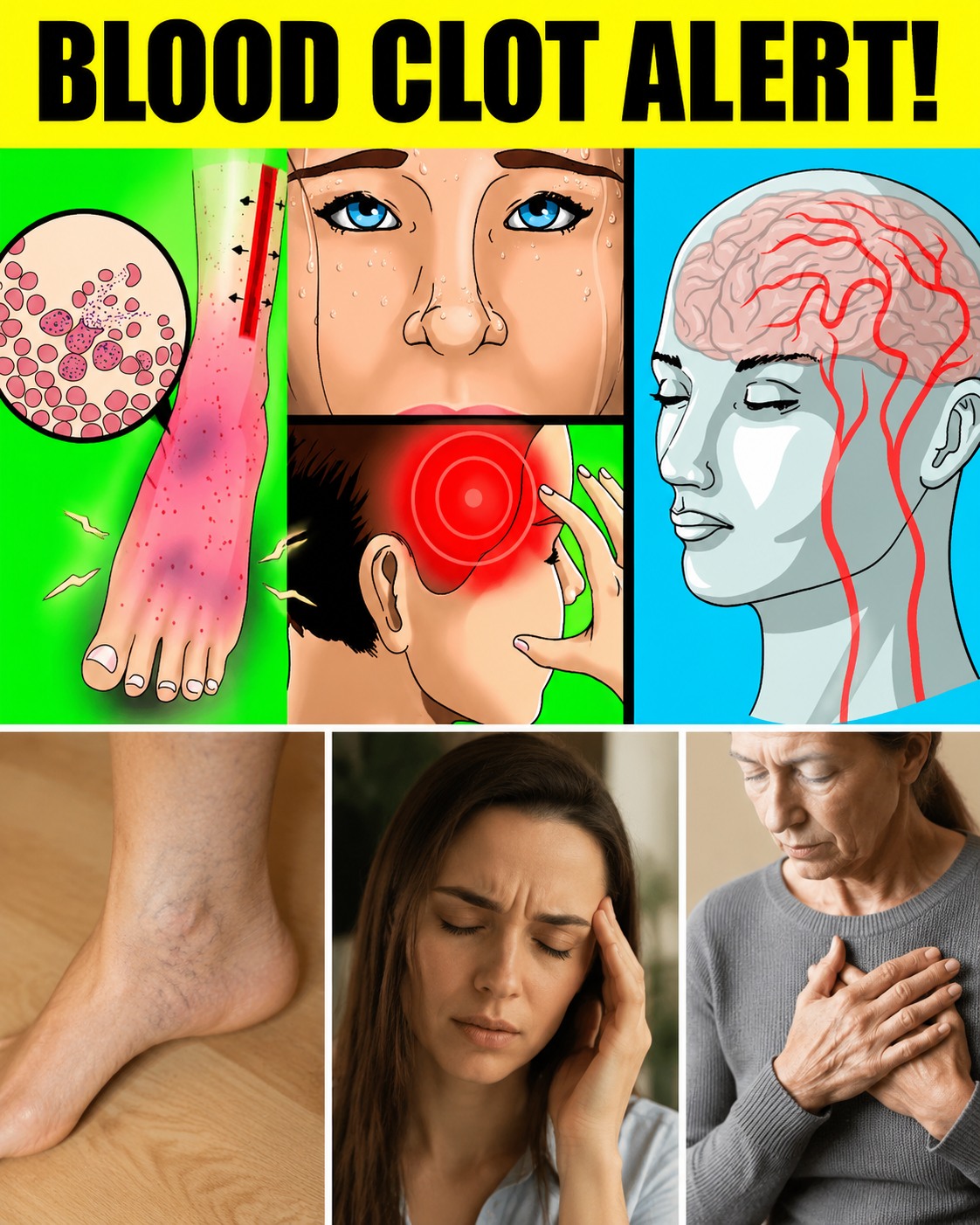
Imagine waking up one morning with a subtle ache in your calf that you brush off as a pulled muscle from yesterday’s walk. Or feeling a bit short of breath after climbing stairs, chalking it up to being out of shape. These quiet signals can sometimes point to something far more serious than everyday discomfort. Blood clots affect hundreds of thousands of people each year, and many cases start with symptoms so mild they’re easy to overlook.
That’s why understanding the warning signs matters. In this guide, we’ll walk through seven often-silent symptoms, explore common risk factors, and share clear guidance on when it’s time to reach out to a healthcare professional. By the end, you’ll have practical steps you can take today to stay proactive about your health.
What Are Blood Clots and Why Do They Matter?
Blood clots are gel-like clumps that form when blood thickens and sticks together. They’re a normal part of healing after an injury, but when they develop inside veins without a good reason — especially deep veins in the legs (called deep vein thrombosis or DVT) — they can become dangerous. A piece of the clot can break off and travel to the lungs, causing a pulmonary embolism (PE), which requires urgent care.