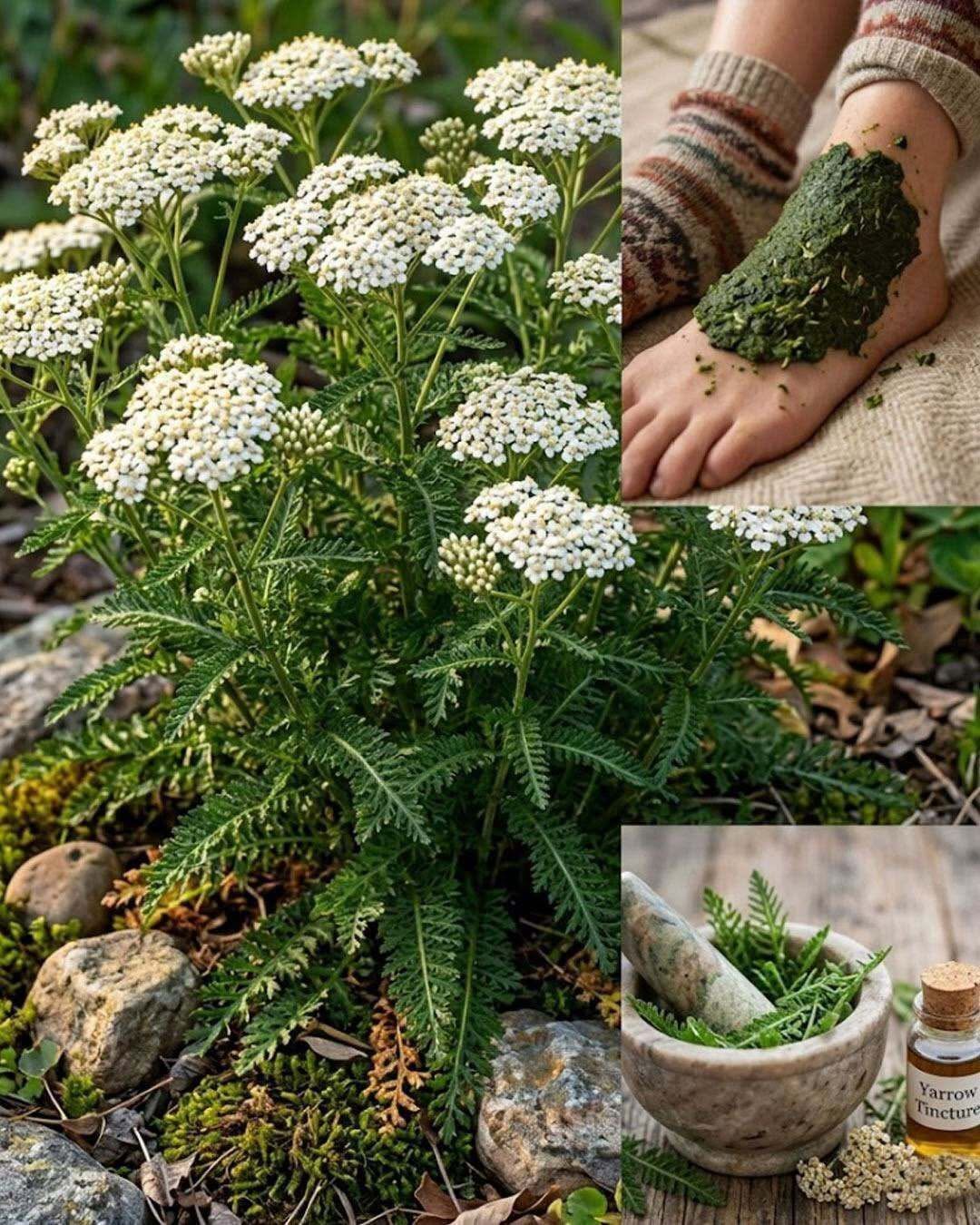
Do a skin test first
Yarrow may cause allergic skin reactions. The risk may be greater in people who react to other plants in the Asteraceae family, such as ragweed, chamomile, daisies or chrysanthemums. Allergic skin reactions have been reported, although it is not known exactly how common they are.
Always test a small amount on a limited area of skin and wait a day before more extensive use.
Do not use the product if the skin develops:
- redness
- rash
- itching
- swelling
- blisters
- burning sensation
If you experience swelling of the face or throat, difficulty breathing, or a rapidly developing reaction, seek immediate medical attention.
Who should be extra careful?
Pregnant and breastfeeding
Do not use yarrow as a herbal remedy during pregnancy without first consulting a doctor or midwife. Its safety is not sufficiently established, and traditional data on the effects on the uterus make self-treatment inappropriate.
Even during breastfeeding, regular use should be discussed with healthcare professionals.
Barn
Do not give concentrated herbal products or homemade herbal remedies to young children without the advice of a healthcare professional. Dosage and safety have not always been established for children.
People with allergies
Avoid yarrow if you are allergic to yarrow or other aster-flowering plants.
People taking medication
Herbal products may interact with or be affected by medications. Ask a doctor or pharmacist before using yarrow regularly if you are taking prescription medications.
Do not stop taking a prescribed medication to start taking an herbal product.
Before an operation
Tell your healthcare provider about all herbal products and supplements you are using. Many of these products need to be stopped before a planned surgery.
Yarrow is not a substitute for treatment
Yarrow should not be marketed as a plant that can replace an entire pharmacy. Such formulations are misleading and may cause people to postpone necessary care.
Yarrow may be suitable as part of traditional self-care for very mild and temporary ailments, but it should not be used to treat:
- infertility
- severe menstrual problems
- varicose veins
- serious infections
- chronic stomach problems
- hormonal diseases
- deep or infected wounds
- serious skin problems
- Common mistakes to avoid
Picking a plant you are not sure you recognize
Don't rely solely on a mobile app or a photograph. Seek help from a botanical expert if you are unsure.
Picking along busy roads
Plants can be exposed to pollution, road dust, and chemicals.
Using moldy plant material
Mold will not disappear through boiling or drying. Throw away the entire batch.
Believing that more gives better effect
Larger amounts may increase the risk of side effects and allergic reactions.
Applying the herb to infected wounds
Homemade herbal products are not sterile and can worsen the problem.
Using yarrow for long-term symptoms
Recurring or worsening symptoms need to be assessed, not hidden with self-care.
Replacing medication with an herb
Never change an ongoing treatment without talking to your healthcare provider.
Storage of dried yarrow
Store the dried herb:
- dry
- dark
- cool
- in a clean, well-sealed container
- out of reach of children and pets
Label the jar with the plant name and harvest date. Never mix unknown plants in the same container.
Discard the contents if they have changed odor, become damp, clumped, or show signs of mold.
Brief conclusion
Yarrow is an interesting meadow plant with a long tradition in European herbal use. Standardized preparations have traditionally been used for certain mild stomach complaints, minor menstrual cramps and small superficial wounds, but the scientific evidence is limited.
The plant does not cure infertility, hormonal disorders, varicose veins or infections. Correct identification, careful use and respect for the risk of allergies are crucial. In case of severe, recurring or unexplained symptoms, medical assessment is always the safest choice.
Frequently asked questions
Can yarrow help with menstrual cramps?
Yarrow has traditionally been used for minor menstrual cramps, but there is limited clinical support. Severe or recurring menstrual cramps should be evaluated by a healthcare professional.
Can yarrow help a person get pregnant?
There is not enough scientific support for this. Fertility problems should be investigated by qualified healthcare professionals.
Can you put fresh yarrow directly on a wound?
This is not recommended. Fresh wild plants are not sterile and can introduce dirt or microorganisms into the wound.
Who should avoid yarrow?
People with allergies to aster plants should avoid it. Pregnant women, nursing mothers, children and people taking medication should consult their healthcare provider before use.
Is yarrow safe because it is natural?
No. Natural products can cause allergies, side effects, and interactions. Safety depends on the type, amount, method of use, and the person's health.