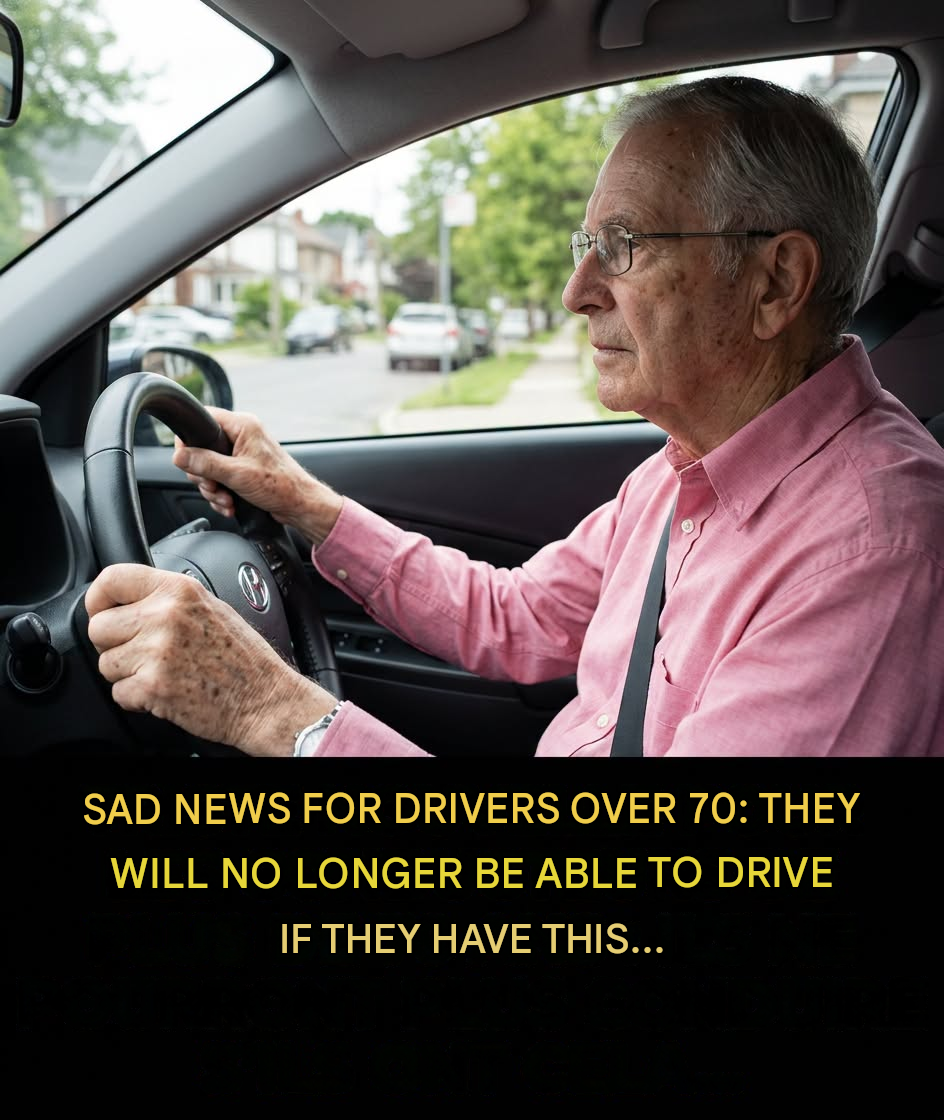
He takes the wheel like an automaton, knows every turn by heart… and yet, a doubt creeps in. What if his body isn't keeping up as well as it used to? After 70, the body's natural changes can turn driving into a source of danger. How can you spot the warning signs? And how can you broach the subject gently? Here are the keys to driving with confidence… without taking unnecessary risks.
Driving is a bit like piloting a plane: the pilot needs to be in top form. As we age, some senses dull, reflexes slow down, and unexpected health problems can arise. There's no need to demonize age, but it's best to be proactive to stay in control of your vehicle. Here's a breakdown of the key points to consider to make the right decisions.

Sight, the driver's first radar: when the image blurs
Imagine your eye as a dashcam. Over time, the lens can become clogged: cataracts, glaucoma, and AMD (age-related macular degeneration) are frequent visitors after age 70. Road signs become blurry, contrasts fade, and other cars' headlights at night resemble stadium floodlights. The result: difficulty reading the road and potential hazards.
A step not to be overlooked
An annual checkup with the ophthalmologist is the bare minimum. If necessary, adjust your glasses or adopt a rule: no driving after sunset. But if your eyesight is really declining, it's best to swap the steering wheel for a taxi seat. Peace of mind is priceless.
Memory and reflexes: when the brain hits the brakes
Forgotten your route? Too slow a reaction time when a traffic light turns red? It's not always just distraction. Cognitive aging can play tricks: memory lapses, difficulty making split-second decisions, or even momentary confusion in the middle of traffic.