While some of us dread entering the final stages of life, we must remember that aging is a privilege. However, this stage of life brings with it changes that some find difficult to accept.
When a person reaches age 70, their body enters a "unique phase." Changes don't happen overnight, but gradually and almost always simultaneously.
Understanding these changes can help people over 70 prepare and adapt to maintain an adequate quality of life.
1. Why Sleep Becomes Easier After 70: Cookbooks for Healthy Aging
One of the first changes many people notice with age is a decline in sleep quality. After age 70, the production of melatonin, the hormone responsible for deep sleep, declines. As a result, the body's biological clock becomes more sensitive to light and noise.
Light sleep is associated with more frequent awakenings during the night, difficulty falling back to sleep, and fatigue the next morning.
It's important to understand that in people over 70, this isn't insomnia, but rather a normal age-related change. Simple habits like exposure to natural light in the morning, avoiding bright screens late at night, and maintaining a regular sleep schedule can facilitate restful sleep.
2. Temperature control becomes less reliable.
After age 70, the body gradually loses its ability to regulate temperature effectively. As a result, it adapts less well to temperature fluctuations, which explains why older people tend to feel colder, warm up more quickly, and sweat less.
Unfortunately, this can increase the risk of heatstroke or hypothermia. It's recommended to dress in layers (even at home), avoid extreme temperatures, and drink plenty of water.
3. Digestive problems are common. Early detection kits are available.
As we age, the digestive process also slows down, which means the stomach produces less acid, the intestines transport food less efficiently, and the body absorbs nutrients less efficiently.
As a result, the person feels full more quickly, may suffer from constipation, or develop nutrient deficiencies such as vitamin B12, iron, or calcium.
This can be addressed by eating small meals more frequently, consuming fiber from whole grains, and drinking water regularly throughout the day.
4. Balance is decreasing
One of the most serious changes associated with aging is loss of balance. It's not uncommon for people over 70 to experience muscle atrophy, vision problems, inner ear problems, or slowed reflexes. Recipes for healthy aging
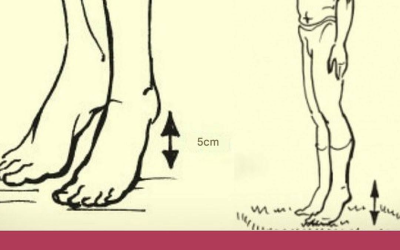
The good news is that this can be improved with simple exercises such as standing on one leg while leaning on a chair, walking in a straight line from heel to toe, or making gentle movements.
Maintaining balance is primarily a matter of coordination and body awareness, in which muscles also play an important role.
5. Protein plays an important role in maintaining muscle mass. Comfortable clothing for older people.
Sarcopenia, the loss of muscle mass associated with aging and/or a sedentary lifestyle, is another problem that many older adults struggle with. To slow or prevent this condition, it's important to consume adequate protein and maintain muscle activity through regular physical activity.