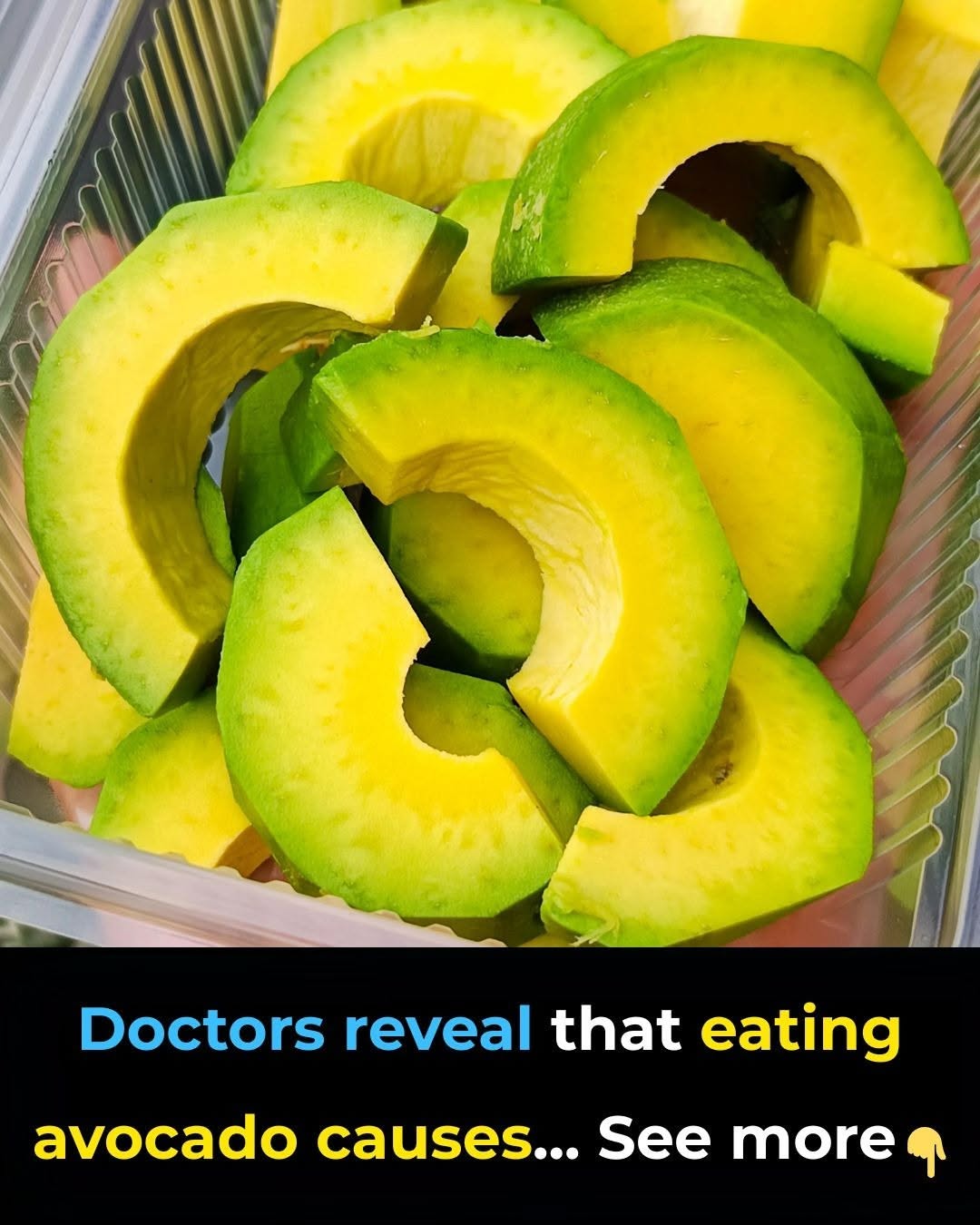
The green flesh of the avocado has been extensively studied, and the evidence for its health benefits is substantial.
Nutritional Powerhouse
One medium avocado (about 200 grams) provides :
Nutrient Amount Key Benefit
Fiber 13.5g Supports digestion and satiety
Healthy fats 30g Mostly monounsaturated (heart-healthy)
Carbohydrates 8.5g Low net carbs (about 1.8g after fiber)
Potassium 970mg More than a banana
Vitamin C 20mg Immune support
Vitamin B6 0.5mg Energy metabolism
Magnesium 58mg Muscle and nerve function
Glycemic Index: Low (40)
This means avocado has minimal impact on blood sugar—a critical factor for diabetes management and stable energy throughout the day .
Rich in Bioactive Compounds
Beyond basic nutrition, avocados contain an impressive array of phytochemicals:
Phenolic compounds – Including flavonoids and phenolic acids that act as antioxidants
Carotenoids – Lutein and zeaxanthin, which support eye health
Vitamins C and E – Potent antioxidants that fight oxidative stress
These compounds work together to reduce inflammation and protect cells from damage .
What the Research Shows About Avocado and Heart Health
Multiple high-quality studies have examined avocado’s impact on cardiovascular risk factors. Here’s what the evidence shows.
Recent Major Findings (2025)
A 2025 systematic review and meta-analysis published in Food Science & Nutrition pooled data from 10 randomized controlled trials and found :
Outcome Change Statistical Significance
LDL cholesterol -3.75 mg/dL Significant (p < 0.001)
Systolic blood pressure -1.15 mmHg Significant (p = 0.03)
Diastolic blood pressure -0.03 mmHg Borderline (p = 0.066)
Triglycerides No significant change Not significant
Total cholesterol No significant change Not significant
HDL cholesterol No significant change Not significant
Fasting blood glucose No significant change Not significant
BMI No significant change Not significant
C-reactive protein No significant change Not significant
What this means: Avocado consumption is associated with modest but meaningful reductions in LDL cholesterol and systolic blood pressure—two key markers of cardiovascular health .
Umbrella Review Confirms Lipid Benefits
A 2025 umbrella review (a review of systematic reviews) published in Clinical Nutrition ESPEN examined eight previous meta-analyses and found :
In individuals with dyslipidemia (abnormal lipid levels), avocado intake was associated with:
LDL cholesterol reduction of -9.4 to -17 mg/dL
Significant reductions in total cholesterol
Modest improvements in blood pressure in hypertensive individuals
Important caveat: Effects on HDL (“good”) cholesterol and triglycerides were inconsistent across studies, highlighting the need for more research .
Daily Avocado and Overall Cardiovascular Health
A 2025 randomized controlled trial published in the Journal of the American Heart Association followed 969 adults with abdominal obesity who ate one avocado daily for 26 weeks .
Key findings:
No significant change in the overall American Heart Association cardiovascular health score
However, significant improvements were seen in:
Diet quality
Sleep health
Blood lipids
This suggests that while avocado alone isn’t a magic bullet, it can be part of an overall heart-healthy pattern .
Avocado for Blood Sugar and Weight Management
Diabetes and Blood Sugar Control
The Blue Circle Diabetes Foundation notes that avocado is “highly advisable for a low-carb diabetes approach” because :
Low carbohydrate content (8.5g per avocado, with 13.5g fiber)
Minimal insulin response due to low glycemic load
Prolonged satiety from healthy fats and fiber
Helps slow digestion and absorption of other foods when eaten together
Blood sugar timeline after eating avocado :
0-15 minutes: No significant blood sugar spike
30-60 minutes: Healthy fats slow digestion of other foods
2-3 hours: Fiber contributes to prolonged satiety and stable blood sugar
Weight Management Support
Research supports avocado’s role in weight management through several mechanisms :
Increased satiety – A 2019 study found that adding half an avocado to lunch significantly increased fullness and satisfaction for hours afterward
Reduced visceral fat – A 12-week study showed that women who ate daily avocado experienced reduction in visceral belly fat and healthier fat distribution
Gut health support – A 2021 study found that daily avocado consumption led to healthier gut bacteria and fewer inflammatory compounds
Anti-Inflammatory and Brain Health Benefits
Avocados contain compounds that may :
Reduce inflammation – Monounsaturated fats and antioxidants work together
Support cognitive function – Nutrients that benefit brain health
Improve skin and hair – Vitamins E and C support elasticity and strength
Help balance hormones – Healthy fats and vitamin B6 play supportive roles
The Avocado Seed: What Science Actually Knows
The avocado seed makes up about 16-20% of the fruit’s weight and is typically discarded as waste. But emerging research suggests it may have value—with important caveats.
Phytochemical Profile
A comprehensive 2025 review in ScienceDirect examined the biological properties of avocado seeds and found they contain :
Phenolic compounds – Including phenolic acids and flavonoids
Flavonoid glycosides
Anthocyanins
Acetogenins – Metabolites unique to the Lauraceae family, with antiparasitic and antimicrobial properties
Potential Biological Activities (Preclinical Evidence)
Research in animal models and cell lines has shown that avocado seed extracts may have :
Activity Evidence
Antioxidant High phenolic content contributes to free radical scavenging
Anti-inflammatory Reduces inflammation in cell and animal models
Antimicrobial Activity against bacterial, fungal, and parasitic agents
Anticancer potential Some studies show effects against prostate, lung, breast, and colon cancer cell lines
Antidiabetic effects In diabetic rats, seed extracts lowered blood glucose and cholesterol
Neuroprotective potential May inhibit acetylcholinesterase (relevant to Alzheimer’s)
A 2024 study of avocado seed oil found :
High total phenolic and flavonoid content
Dose-dependent antioxidant and anti-inflammatory activity
Presence of beneficial fatty acids including oleic acid and linoleic acid
The Critical Limitation
Here’s what you need to know: All of these promising findings come from preclinical studies—meaning they were conducted in :
Test tubes (in vitro)
Animal models (rats and mice)
Cell cultures
No human trials have been conducted to confirm these effects in people or establish safe consumption levels .
Is It Safe to Eat Avocado Seeds?
This is the most important question—and the one with the least definitive answer.
Official Recommendations
Major avocado organizations do not recommend eating the seed :
“We don’t recommend it. The purported health benefits and risks of avocado seed intake are poorly characterized.”
— California Avocado Commission
“The Hass Avocado Board does not have any information on nutrients of the seed.”
— Nikki Ford, PhD, Director of Nutrition, Hass Avocado Board
What We Know About Safety
Toxicity is poorly understood – Avocado seeds contain compounds that could be toxic in large amounts, but safe levels haven’t been established
Extract vs. whole seed – Studies have used carefully prepared extracts, not ground whole seeds. Toxicity effects of the seed itself can’t be determined from extract studies alone
Bioavailability unclear – Even if nutrients are present, it’s not known whether humans can absorb them from the seed
The Bottom Line on Seeds