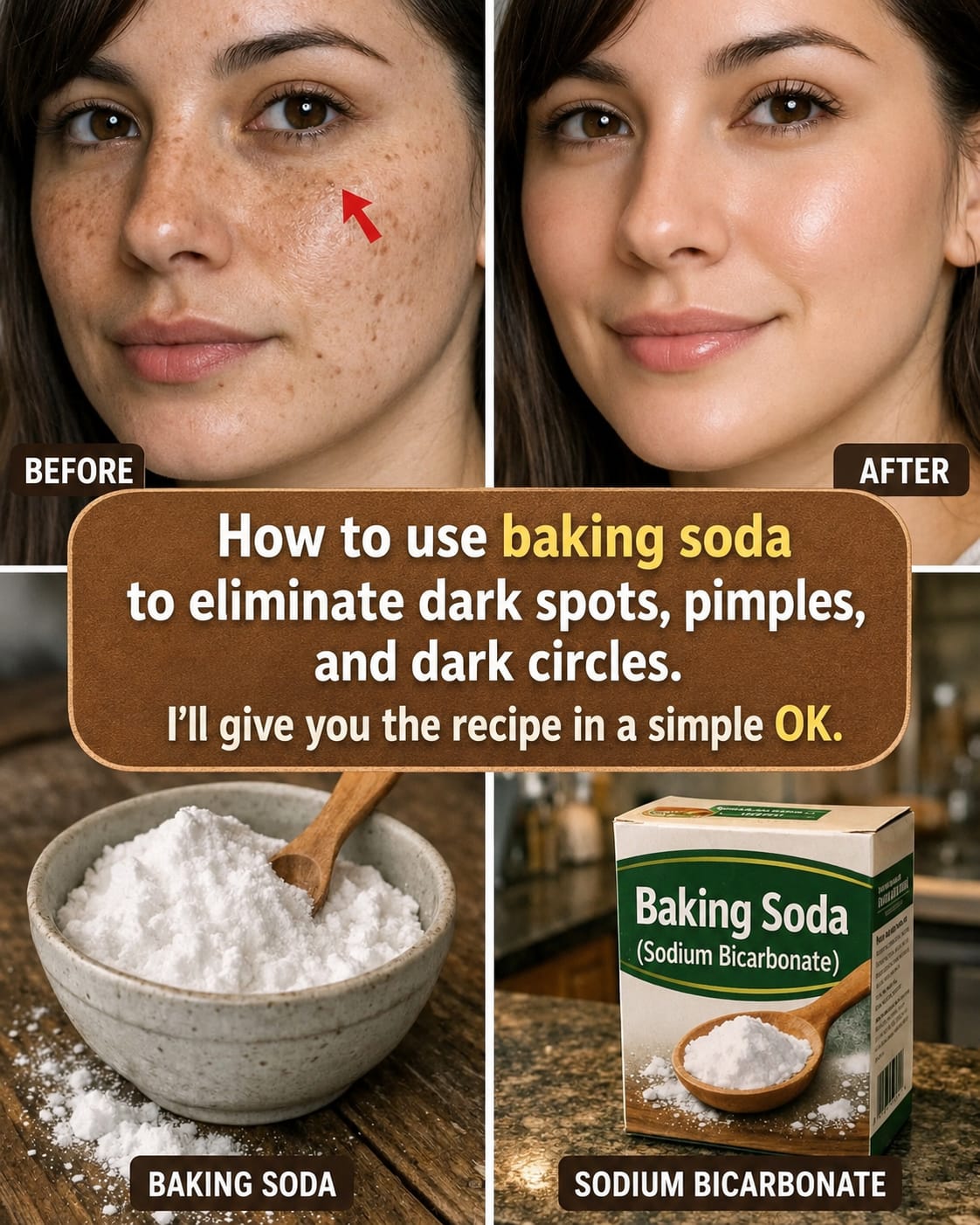
Risks of Using Baking Soda on the Face
Dermatologists generally recommend caution because baking soda can be harsh on facial skin.
Possible risks include:
Dryness
Baking soda may strip away natural oils.
Irritation
Sensitive skin can become red or irritated.
Disruption of the Skin Barrier
Frequent use may weaken the skin's protective barrier.
Increased Sensitivity
Some people experience increased sensitivity after repeated applications.
Worsening Skin Conditions
Individuals with eczema, rosacea, or sensitive skin may experience flare-ups.
How to Use Baking Soda More Safely
If you choose to try baking soda on your skin, moderation is important.
Patch Test First
Apply a small amount to an inconspicuous area and wait 24 hours.
Use Only Occasionally
Avoid daily use.
Keep Applications Short
Do not leave it on the skin for extended periods.
Moisturize Afterwards
Apply a gentle moisturizer after rinsing.
Stop If Irritation Occurs
Discontinue use immediately if redness, burning, itching, or dryness develops.
Simple Baking Soda Paste
Ingredients
- 1 teaspoon baking soda
- 2 teaspoons water
Instructions
- Mix until a smooth paste forms.
- Gently apply to the skin.
- Avoid the eye area.
- Leave on for no more than 30 seconds to 1 minute.
- Rinse thoroughly with lukewarm water.
- Apply moisturizer.
This should be considered an occasional exfoliation method rather than a regular skincare treatment.