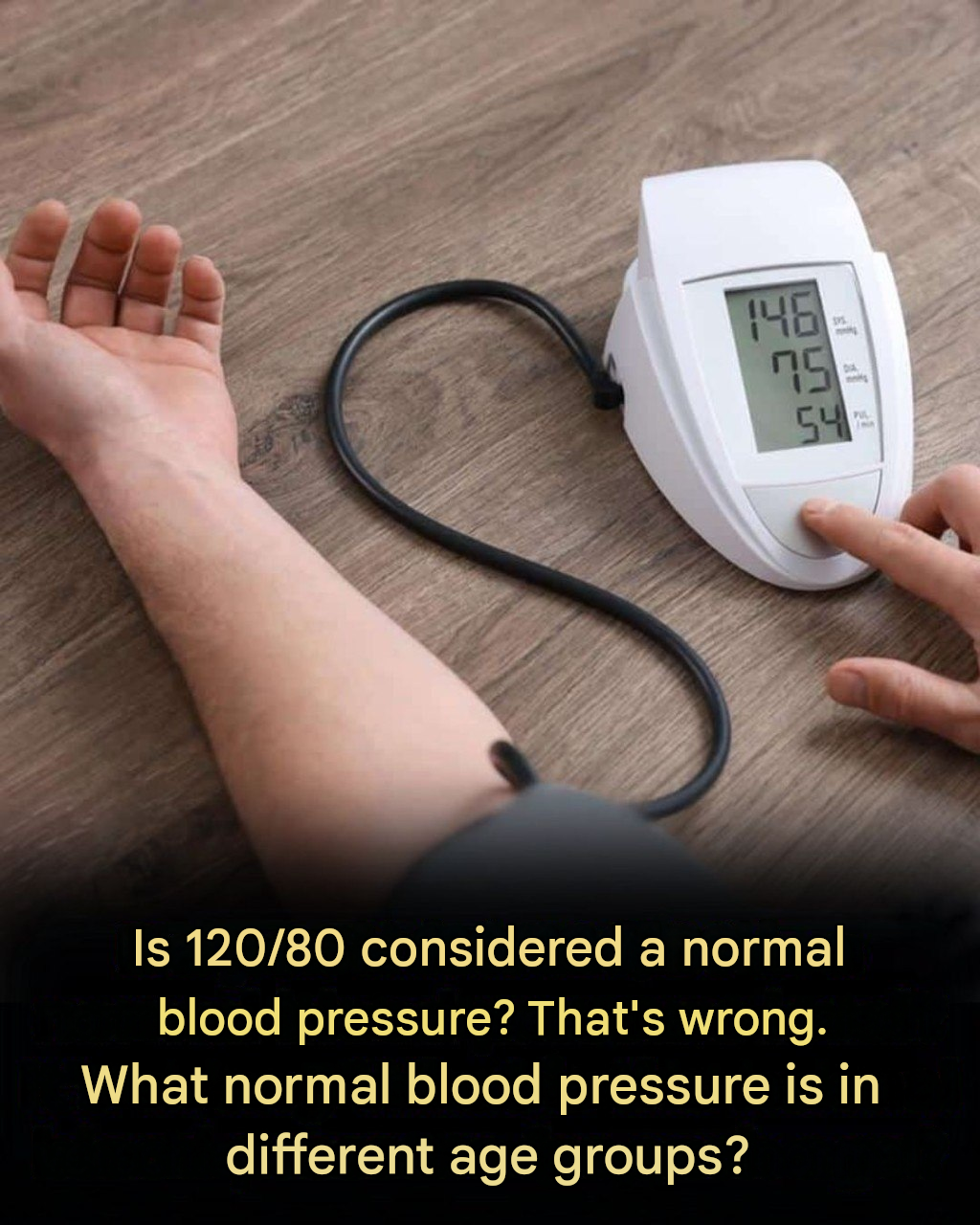
Blood pressure is one of the most important vital parameters for assessing cardiovascular health. Although the „ideal“ value is often given as 120/80 mmHg, the value considered normal can vary depending on age, gender and individual health status. This guide explains current standards and gives practical tips for maintaining healthy blood pressure at every stage of life. Blood pressure monitor
Blood pressure categories (adults)
According to the American Heart Association (AHA) and other major health organizations:
Category: Systolic value (upper value) Diastolic value (lower value)
Normal < 120 mmHg and < 80 mmHg
Elevated 120–129 mmHg and < 80 mmHg Stage 1 hypertension 130–139 mmHg or 80–89 mmHg Stage 2 hypertension ≥ 140 mmHg or ≥ 90 mmHg Hypertensive crisis > 180 mmHg and/or > 120 mmHg
Note: *High blood pressure is now diagnosed at a blood pressure of 130/80 mmHg or higher*, a change from older guidelines.
Blood pressure in children and adolescents
In younger people, blood pressure is assessed using percentile curves based on age, height, and gender. Below are approximate average values:
Age group Average systolic Average diastolic
1–3 years 80–110 mmHg 50–70 mmHg
4–6 years 85–115 mmHg 55–75 mmHg
7–10 years 90–120 mmHg 60–80 mmHg
11–13 years 95–125 mmHg 60–80 mmHg
14–18 years 100–135 mmHg 65–85 mmHg
A reading is considered high in children if it is at least 95. Percentile corresponds to their age, height, and sex. Average blood pressure in adults by age and sex. Cardiac and hypertension