No.
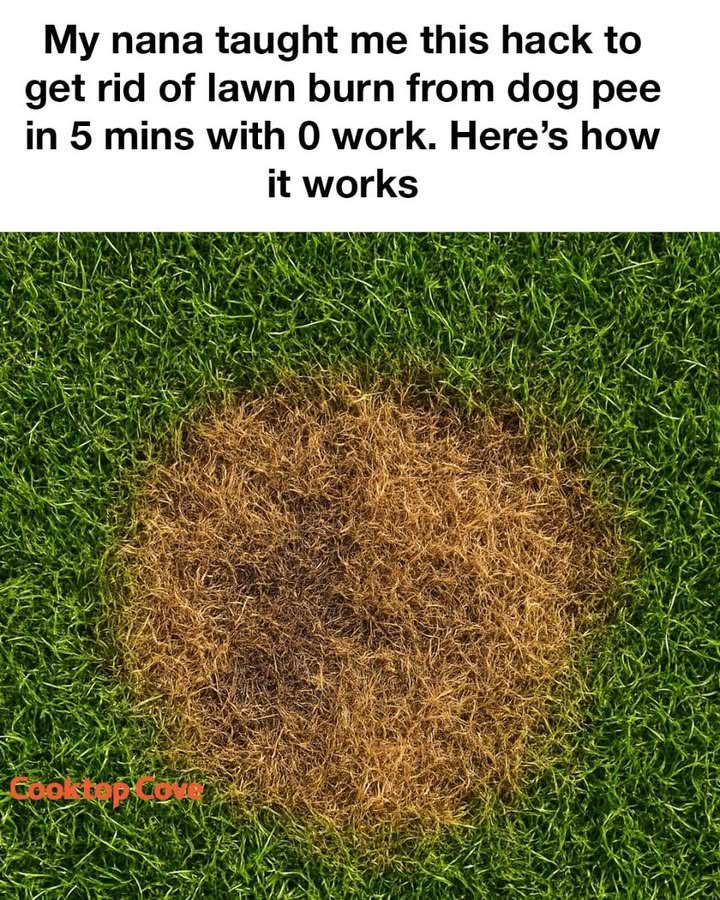
Despite its popularity online, there’s no good evidence that sprinkling baking soda on dog urine spots repairs lawn burn. In fact, adding baking soda introduces sodium into the soil, which can stress grass and make growing conditions worse over time.
Similarly, using vinegar or other household chemicals can damage your lawn rather than help it.
What Actually Helps?
1. Water the Area Immediately
The best immediate response is to thoroughly soak the spot with water as soon as possible after your dog urinates. This helps dilute the nitrogen before it can damage the grass.
2. Remove Dead Grass
If the grass has already died, rake away the dead material to expose the soil.
3. Repair the Patch
Depending on your lawn, you can:
- Reseed the area.
- Apply fresh topsoil if needed.
- Use sod patches for faster repair.
Recovery may take several weeks, depending on the grass type and growing conditions.
How to Prevent Future Lawn Burn
To reduce future damage:
- Encourage your dog to use a designated potty area.
- Keep your dog well hydrated.
- Water urine spots when practical.
- Choose grass varieties that are more tolerant of pet traffic if you’re reseeding.
Products That May Help
Some lawn repair products are formulated specifically for pet urine damage. These may include grass seed, fertilizer, and mulch designed to help bare spots recover. Follow the manufacturer’s instructions for the best results.
Avoid These Common Myths
These popular remedies generally aren’t recommended:
- Sprinkling baking soda on the lawn
- Pouring vinegar on urine spots
- Adding gypsum unless a soil test indicates it’s needed
- Giving dogs supplements intended to change urine chemistry without veterinary advice
The Bottom Line
There isn’t a five-minute, zero-effort cure for dog urine burns. Once grass has been damaged, it needs time to recover or be replaced.
The most effective approach is to dilute fresh urine with water, repair damaged areas as needed, and take steps to prevent repeated damage. While baking soda is often promoted as a quick fix, it isn’t supported by evidence and may actually make lawn problems worse.