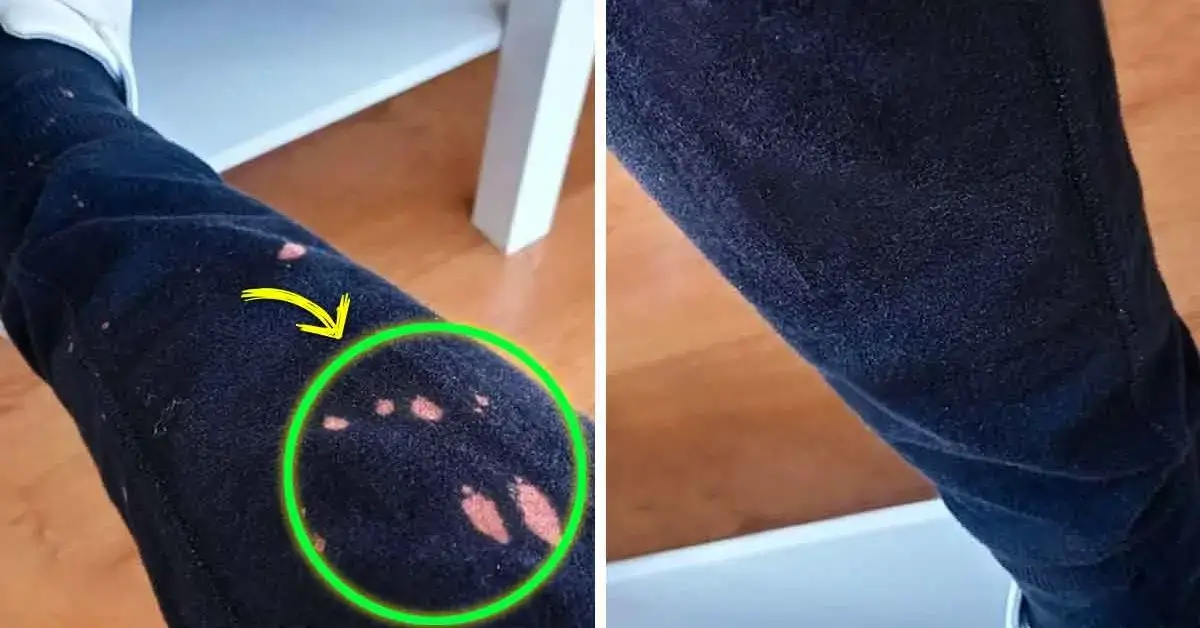
Too abrupt a gesture with the bottle of bleach, and it's a disaster: a clear mark that disfigures your favorite shirt. However, there is no question of throwing this beloved top in the trash. Before you give up, discover two natural and easy-to-implement methods to try to save your fabric.
Are you ready to take action with two grandmother's recipes that can really make a difference? Follow the instructions step by step.

Understand why bleach attacks fibers
Bleach is a formidable oxidant. On a hard surface, it disinfects wonderfully. But on a textile, it directly attacks the pigments responsible for the color, creating these famous paler, even white, marks that are obvious. As a bonus, if it is not properly removed by careful rinsing, it weakens the fibers and damages the fabric in the long term. Fortunately, there are a few simple tips to counter its action and, in some cases, significantly reduce visual damage. Here are the two most efficient solutions.
First solution: sodium thiosulfate, a professional neutralizer
This product is little known to the general public, but it is a great ally for neutralizing chlorine. Commonly used in the laboratory to stop the action of bleach, sodium thiosulfate is easily found in pharmacies or on the Internet.
The procedure to follow
Put on gloves to protect your hands. In a bowl, mix 250 ml of lukewarm water with a tablespoon of sodium thiosulfate. Apply this solution directly to the affected area, without rubbing. Leave on for a few minutes, then rinse thoroughly with cold water. Finally, put the garment in the washing machine as usual. This tip is particularly effective if the stain is still fresh. It blocks the progression of the chemical and limits discoloration. Warning: it does not recolor the fabric, but it prevents further degradation.

Second solution: white vinegar, essential for your cupboard
No thiosulfate on hand? Do not panic! White vinegar, this house basic, can also help you out. It is known to neutralize chemical residues, including those from bleach.
How to use it?
Start by rinsing the garment with cold water to remove as much bleach as possible. Then pour a little pure white vinegar directly onto the stain. Leave on for a few minutes, then gently dab with a clean cloth. Rinse again and let air dry. If the mark persists, you can repeat the operation once. To enhance the effect, some people add a pinch of baking soda or a little household alcohol. Be careful though: never mix these products with bleach that is still active, as this could release toxic vapors.
What to do if the stain remains visible?
We have to be honest: discoloration from bleach is often permanent. These tips help stop the action of the product and prevent the stain from getting bigger, but they do not restore the original color. On the other hand, several options are available to you: dye the garment in a solid shade to camouflage the damaged area, customize the place with a badge, patch or embroidery, or even... assume! Some even transform these accidents into tie and dye patterns for a unique and original look. A bleach stain is never good news, but there's no point in panicking. With a little white vinegar or sodium thiosulfate, you can limit the damage and give your favorite item of clothing a second life.