Harvesting and drying
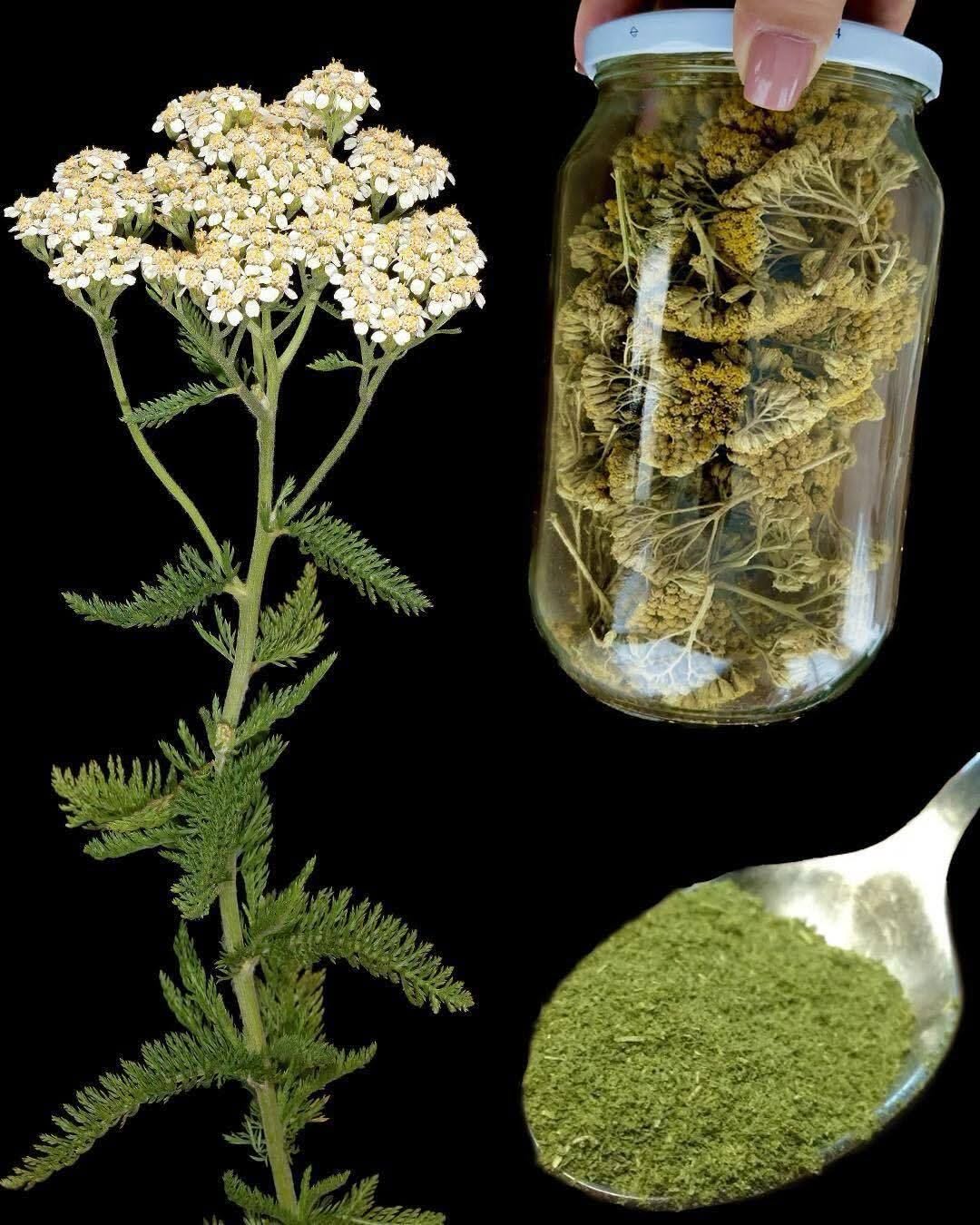
Those who are familiar with plant identification usually collect the flowering tops during dry weather. Never pick plants from areas that may be contaminated.
Avoid yarrow that grows:
- Next to busy roads
- At industrial areas
- On recently sprayed land
- Near sewage
- At dog parks
- On protected land where picking is not permitted
Gently shake off insects and sort out discolored or infested parts. The plant can be hung in small, airy bunches or dried spread thinly on a clean surface, protected from direct sunlight.
It is fully dried when the stems and leaves feel completely dry and break easily. Store in a clean, labeled container in a dark, dry place. Discard any material that smells musty, has changed color, or shows signs of mold.
Important about species identification
Never eat or drink herbal tea made from a plant that has only been identified by a picture on the internet. Many wild species can be difficult to distinguish, especially before flowering.
Use a reliable flora and have a person with documented plant knowledge check the find. If there is the slightest doubt, the plant should not be used.
An app can be a helpful tool, but should not be the sole basis for determining whether a plant is safe to eat.
Who should be extra careful?
Pregnant women and people trying to get pregnant
Yarrow is not usually recommended during pregnancy because its safety has not been sufficiently established. It should not be used to induce menstruation or affect the uterus.
Anyone trying to get pregnant should not use concentrated herbal products without first consulting a healthcare professional.
Breastfeeding
There is insufficient information on how larger or concentrated amounts affect breastfeeding and children. Consult a midwife, doctor or pharmacist before use.
Barn
Do not give concentrated yarrow tea, tincture or supplements to children without professional advice. Children are more sensitive to dosage and adverse reactions.
People with allergies to aster plants
Yarrow belongs to the same plant family as chamomile, ragweed, daisies, and sunflowers. Anyone who is allergic to plants in this family may also have a reaction to yarrow.
People who use medications
Herbal products may interact with medications or increase side effects. Talk to your doctor or pharmacist before using yarrow if you take any medications regularly, especially if you have a chronic illness or are undergoing cancer treatment. Herbs contain biologically active substances and may interact with medications in some situations.
Can yarrow be used against colds?
Steam and hot drinks may temporarily relieve a stuffy nose, but yarrow has not been shown to cure a cold or infection.
Inhaling very hot steam poses a risk of burns. Do not use a bowl of boiling water near the face, especially for children. A warm shower, saline nasal spray, and plenty of fluids are safer options for many.
Seek medical attention if you have difficulty breathing, a high fever that does not go away, dehydration, severe pain or a clearly worsening general condition.
Can yarrow treat skin problems?
Yarrow is found in skin care products, but that doesn't mean it's suitable for all skin types. The plant can cause irritation or contact allergies.
Do not use homemade yarrow mixtures to treat:
- Severe acne
- Eczema with open wounds
- Infected skin
- Skin sores that don't heal
- Suspicious birthmarks
- Sudden or widespread rash
Do not try a new herbal product over large areas of skin. Stop using immediately if your skin starts to itch, sting, swell or become very red.
Common misconceptions
“Yarrow is a natural antibiotic”
Yarrow is not a substitute for antibiotics. An untreated bacterial infection can worsen and in some cases become serious.
“It cures infertility”
There is not enough scientific support for this. Fertility problems can have many causes and need to be assessed individually.
“It regulates all menstrual problems”
Mild cramps and irregular or heavy bleeding are not the same thing. Recurring symptoms should be investigated.
“It removes varicose veins”
Yarrow cannot remove varicose veins. Swelling, pain, or skin changes on the legs may require medical evaluation.
“It disinfects all wounds”
Self-picked plant material is not sterile. Larger, deep or infected wounds should be treated in a medically safe manner.
“More gives better effect”
Larger amounts may increase the risk of nausea, irritation, allergy and other adverse reactions. Always follow the product instructions.
Security and disclaimer
Yarrow is a traditionally used herb, but most of the extensive health claims made about the plant are not sufficiently scientifically substantiated. Use should be limited to appropriate products and reasonable amounts.
Do not use yarrow as a substitute for medication, vaccination, wound care or investigation of recurring symptoms. Consult a doctor or pharmacist if you are pregnant, breastfeeding, have allergies, have a chronic illness or are taking concomitant medication.
In the event of acute illness, heavy bleeding, difficulty breathing, severe pain or a serious allergic reaction, you should seek medical attention immediately.
Brief conclusion
Yarrow is an interesting wild herb with a long history in traditional European herbal use. Some standardized preparations are traditionally used for mild digestive problems, minor menstrual cramps, and small superficial wounds.
However, this does not make it a panacea. Safe identification, moderate use, and respect for possible allergies and drug interactions are crucial. Persistent or severe symptoms should always be evaluated by healthcare professionals.
FAQ
Is yarrow one of the world's most useful plants?
There is no scientific ranking that shows yarrow to be one of the world's most beneficial plants. It has some traditional uses, but many claims are exaggerated.
Can yarrow help with menstrual cramps?
Some yarrow preparations are traditionally used for minor menstrual cramps. If you experience severe, recurring or changing pain, you should contact your healthcare provider.
Can yarrow increase fertility?
There is insufficient scientific evidence to support the claim that yarrow improves fertility. Fertility problems should be investigated by a healthcare professional.
Can you drink yarrow tea every day?
Long-term daily use is not recommended without professional advice. Always follow the dosage on a controlled product.
Can yarrow be applied directly to wounds?
Self-picked plant parts should not be placed on open wounds as they may be contaminated. Instead, clean the wound with clean water and use an appropriate dressing.
Is yarrow safe during pregnancy?
Yarrow should be avoided during pregnancy as its safety has not been sufficiently established.
Can people with pollen allergies use yarrow?
People who react to aster plants may also react to yarrow. Be especially careful if you are allergic to, for example, ragweed or chamomile.
How is dried yarrow stored?
Store it in a dry, dark place in a tightly sealed, labeled container. Discard it if it smells musty or shows signs of moisture or mold.