
5 surprising causes of weak legs in seniors—and how to fix them!

Leg weakness in older adults is often dismissed as “just part of aging.” But while some muscle loss (sarcopenia) is common after 60, sudden, progressive, or unexplained leg weakness is not normal—and it’s often reversible.
Here are 5 surprising—but treatable—causes many seniors (and even doctors) overlook, along with practical steps to regain strength and mobility.
 1. Vitamin D Deficiency
Why it surprises people: You might feel fine otherwise—but low vitamin D directly weakens muscles, especially in the legs.
The science: Vitamin D receptors exist in muscle tissue. Without enough, muscle protein synthesis drops, leading to proximal weakness (hips, thighs)—making stairs or rising from a chair difficult.
How to fix it:
- Get a 25-hydroxyvitamin D blood test (optimal: 30–50 ng/mL).
- If deficient: 2,000–4,000 IU/day of D3 (with K2 for bone health).
- Sunlight + fatty fish (salmon, mackerel) help—but supplements are often needed.
 Studies show vitamin D supplementation improves leg strength and reduces fall risk in seniors.
2. Peripheral Artery Disease (PAD)

Here's how to empty the WhatsApp trash can to free up storage space and speed up your mobile phone

A Japanese doctor recommends drinking clove tea in the evening… show more
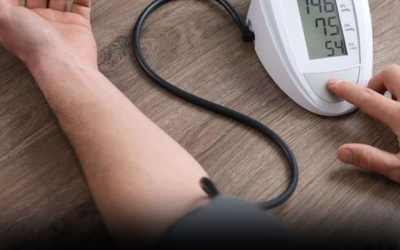
What blood pressure is normal at your age? A clear, up-to-date guide

After his withdrawal from Les Enfoirés, Patrick Bruel speaks: “Given the circumstances...”

Towards a new measure soon for motorists over 70