Beans have a relatively low glycemic index, which means that they affect blood sugar more slowly compared to many other carbohydrate-rich foods.
The high fiber content helps slow down the absorption of sugar in the blood and can contribute to more even blood sugar levels after meals.
Therefore, beans are often recommended as part of a healthy diet for people who want to prevent or manage diabetes.
When beans are combined with vegetables, whole grains and healthy fats, they can contribute to more stable energy and better satiety over a longer period of time.
How beans can be used in cooking
Beans are very easy to use and can be incorporated into many different types of dishes.
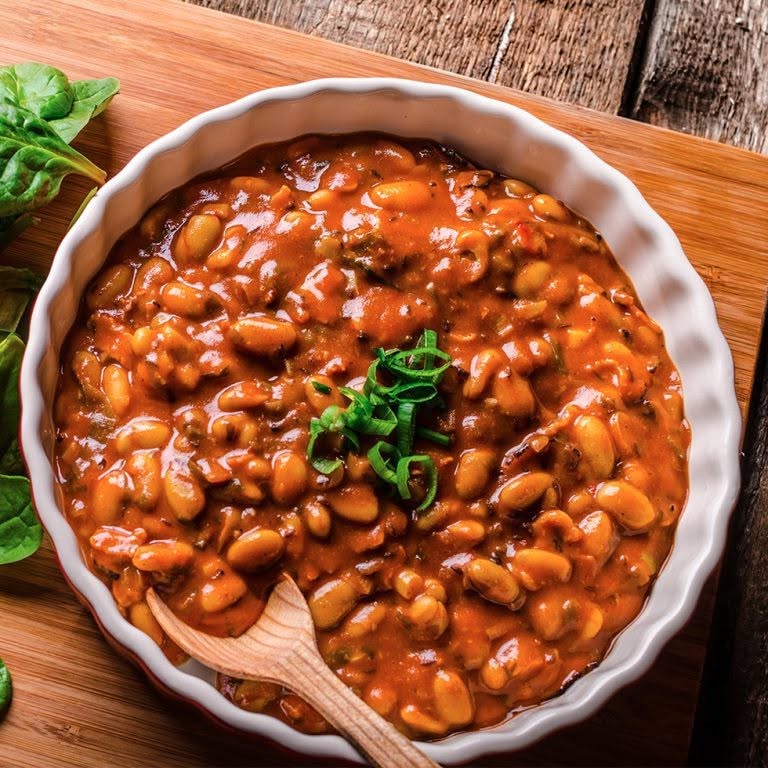
They fit perfectly in soups and stews where they absorb flavors and at the same time make the dish more filling.
Beans can be mixed into creamy stir-fries and dips such as hummus or bean mash.
They work very well in salads where they add both protein and texture.
Many also use beans as a base in vegetarian steaks or burgers thanks to their firm texture and high protein content.
In some recipes, beans are even used in baking to create soft and protein-rich desserts.
Fresh, dried and preserved beans
Fresh beans often have a mild taste and are mainly used as vegetable accessories.
Dried beans need to be soaked and cooked before use but often provide the best flavor and texture.
Canned beans are very practical because they are already fully cooked and can be quickly used directly in cooking.
However, it is good to rinse canned beans before use to reduce the amount of salt and improve the taste.
Frozen beans are also a good option as they retain much of their nutritional content and are easy to prepare.
Recommended consumption
Many dietary advice recommends that legumes such as beans be eaten regularly as part of a varied and healthy diet.
A moderate amount each week can contribute to better nutritional intake and give the body important fibers and proteins.
For people who are not used to eating a lot of beans, it can be good to increase the amount gradually so that the stomach gets used to the higher fiber content.
Combining beans with herbs, spices and vegetables makes them both tastier and easier to include in everyday food.
Summary
Beans are a nutritious, affordable and very versatile food that fits in everything from simple everyday dishes to more advanced cooking.
Their high content of protein, fiber and essential minerals makes them an excellent choice for people who want to eat healthy and stay full longer.
Thanks to their positive effect on blood sugar and their wide range of uses, beans are a valuable ingredient in both traditional and modern diets.
Whether used in soups, salads, stews or vegetarian dishes, beans can contribute both flavor, nutrition and variety to meals throughout the year.