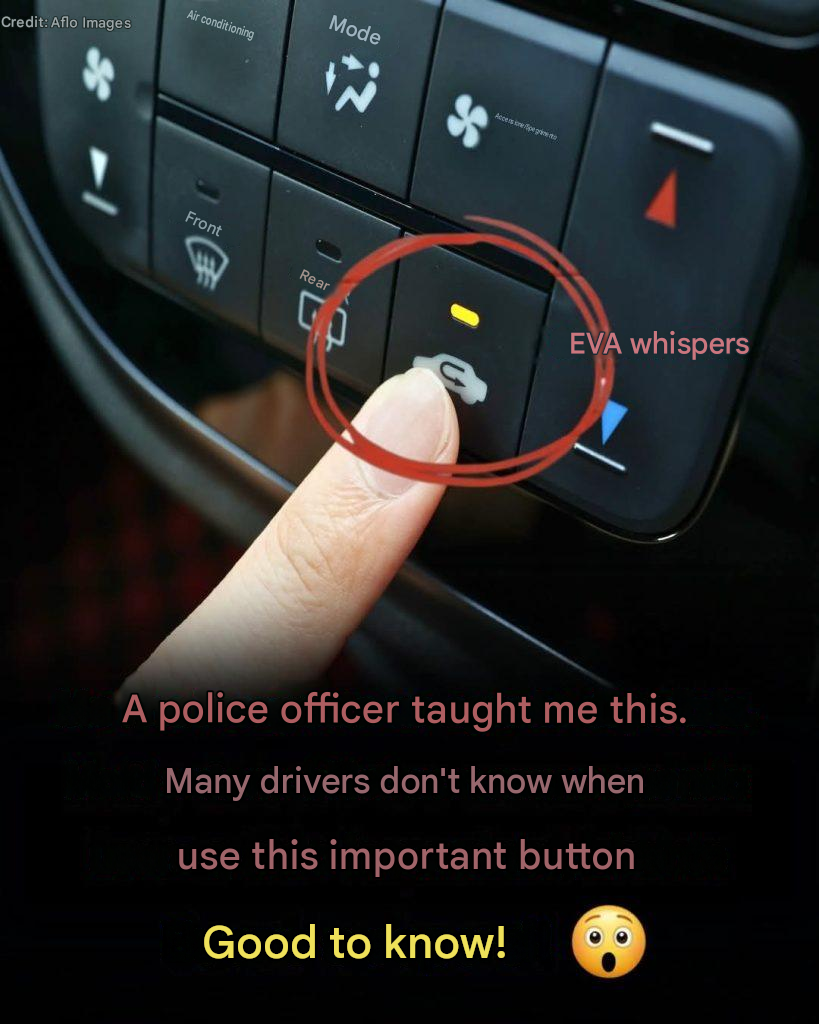
Your vehicle's heating, ventilation, and air conditioning (HVAC) system operates in two main modes:
1. Fresh Air Mode (Recirculation Off)
- Outside air is drawn into the vehicle.
- Air passes through the cabin air filter.
- The system heats or cools the air
- The air is distributed throughout the cabin.
This mode continuously replaces the internal air with oxygen-rich external air.
2. Recirculation mode (ACTIVE Recirculation)
- A motorized valve closes the outside air intake
- The system reuses the air already present inside the passenger compartment.
- The air is repeatedly cooled or heated
This creates a sealed airflow loop , allowing the HVAC system to operate more efficiently under certain conditions.
Why air recirculation cools the passenger compartment faster
In hot weather, recirculation is particularly effective because:
- The air conditioner does not need to repeatedly cool the hot outside air.
- The already cooled cabin air requires less energy to be further cooled.
- Internal temperatures drop significantly more quickly
- The compressor is subjected to less strain
This efficiency can slightly reduce fuel consumption in gasoline-powered vehicles and improve driving range in electric cars.
Protection from pollution, odors and allergens
Air recirculation plays a crucial role in air quality , especially in urban environments.
Helps block:
- Exhaust fumes in traffic jams
- Diesel smoke coming from trucks and buses
- industrial or agricultural odors
- Dust and sand on unpaved roads
For people with asthma or allergies , recirculation can significantly reduce exposure to:
- Pollen
- mold spores
- Air pollutants
By limiting the entry of outside air, you reduce the number of irritants entering the cabin, even before they are filtered.
The hidden risks of excessive recirculation
Despite its advantages, recirculation should never be left on permanently.
Fogged up windows
In case of cold or rain:
- Moisture from breathing builds up
- Humidity increases rapidly
- Windows fog up more easily
Fresh air helps remove moisture and maintain good visibility.
Reduction in oxygen levels
Driving in winter: a common mistake
Many drivers unknowingly worsen window fogging by using recirculated air in winter. Although the temperature may initially feel milder, trapped moisture quickly overloads the system.
Best practices to adopt in cold weather:
- Use fresh air mode
- Match to defrost settings
- Turn off air recirculation when the windows fog up.
Cabin air filter: the unsung hero
The air recirculation system depends largely on the cabin air filter .
A clogged filter can cause:
- Weak airflow
- musty smells
- Reduced heating and cooling efficiency
- Increased stress on the fan motor