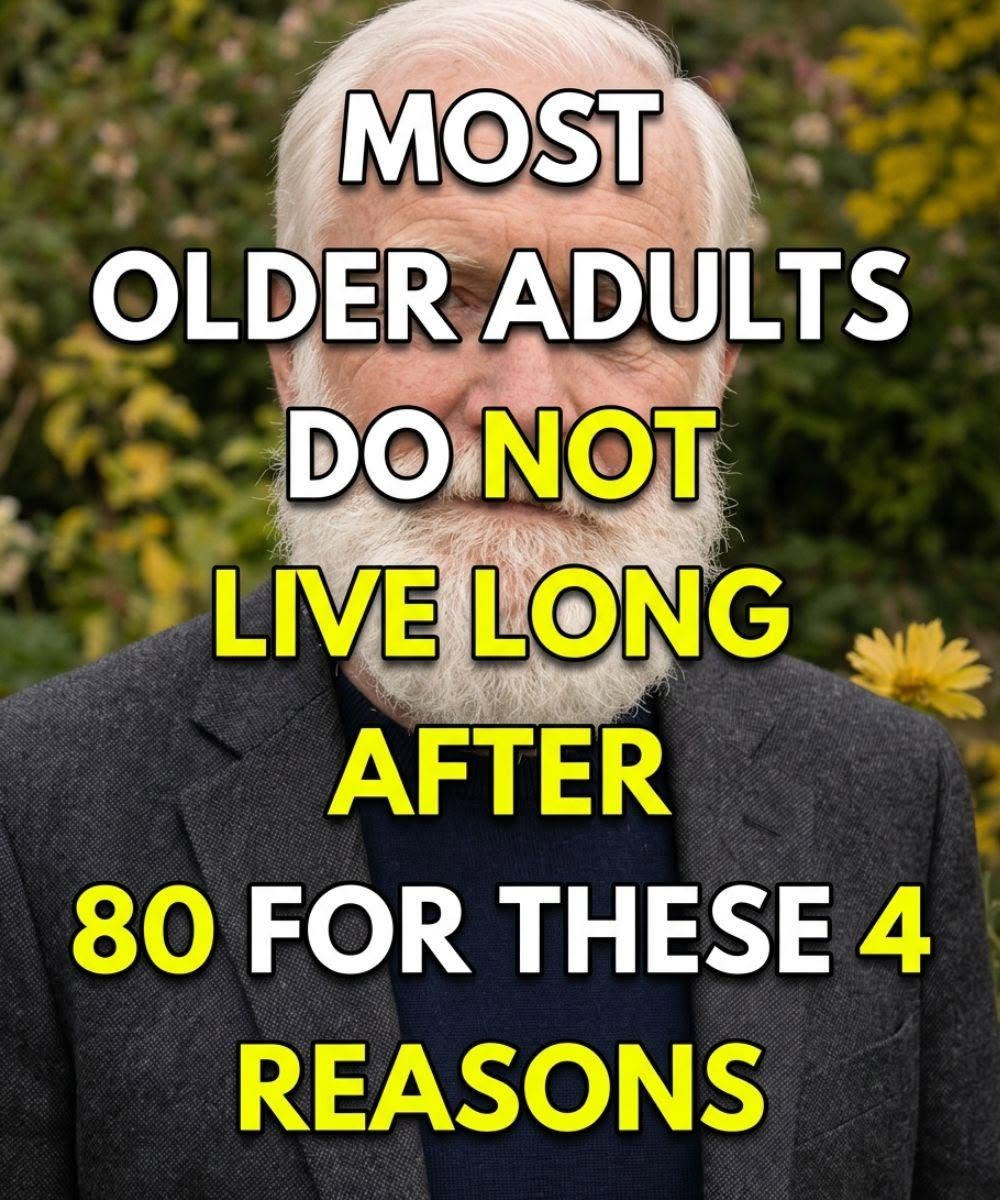
Reaching the age of 80 is a remarkable milestone. Yet anyone who has spent time around older adults knows that age alone does not determine how well a person lives. Some people remain active, independent, and mentally sharp well into their 90s, while others begin struggling much earlier.
While genetics certainly play a role, researchers and healthcare professionals agree that daily habits, social connections, physical activity, and emotional well-being can have a significant impact on quality of life in later years.
The truth is that many of the challenges people face after 80 are not caused by aging alone. Often, they are linked to gradual changes that go unnoticed until they begin affecting health, energy, and independence.
Here are four common reasons why some older adults lose vitality after 80—and what can be done to help prevent it.
1. Losing a Sense of Purpose
One of the most overlooked factors in healthy aging is having a reason to get up every morning.
After retirement, the loss of a spouse, children moving away, or major life changes, some older adults begin to feel that they no longer have an important role to play. Days can become repetitive, and motivation may slowly disappear.
Purpose does not have to come from a career or a major achievement. In fact, the smallest routines can make a powerful difference.
For many older adults, purpose may come from:
- Taking care of a garden
- Looking after a pet
- Cooking meals for family
- Volunteering in the community
- Attending a local group or club
- Learning a new skill or hobby
- Helping grandchildren
- Maintaining daily routines
Having something meaningful to focus on encourages people to stay active, engaged, and optimistic.
When purpose fades, it often becomes easier to withdraw from activities, spend more time sitting, and lose interest in things that once brought joy. Over time, this can affect both physical and emotional health.
The most resilient older adults are often those who continue finding reasons to stay involved in life, regardless of their age.
2. Social Isolation and Loneliness
Loneliness is one of the biggest hidden challenges facing older adults today.
As people age, social circles naturally become smaller. Friends move away, health issues can limit mobility, and family members may become busy with work and responsibilities.
What starts as fewer social interactions can gradually turn into long periods of isolation.
The effects can be far-reaching.
Older adults who spend too much time alone may experience:
- Lower energy levels
- Reduced motivation
- Increased feelings of sadness
- Memory difficulties
- Poor sleep
- Less physical activity
- A decline in overall well-being
The problem is that loneliness often develops quietly. Many older adults do not openly say they feel lonely. Instead, they may stop attending events, avoid phone calls, or spend more time at home.
Fortunately, meaningful connections do not have to be complicated.
Simple actions can make a huge difference:
- Regular phone calls
- Family visits
- Community activities
- Senior centers
- Faith groups
- Walking groups
- Shared meals
- Video chats with loved ones
Even brief social interactions can help people feel connected and valued.
Human beings are social by nature, and maintaining relationships remains important throughout every stage of life.