Iron is an essential mineral that helps your body produce hemoglobin, the protein in red blood cells responsible for carrying oxygen throughout the body. When iron levels become too low, your body can't produce enough healthy red blood cells, increasing the risk of iron deficiency anemia.
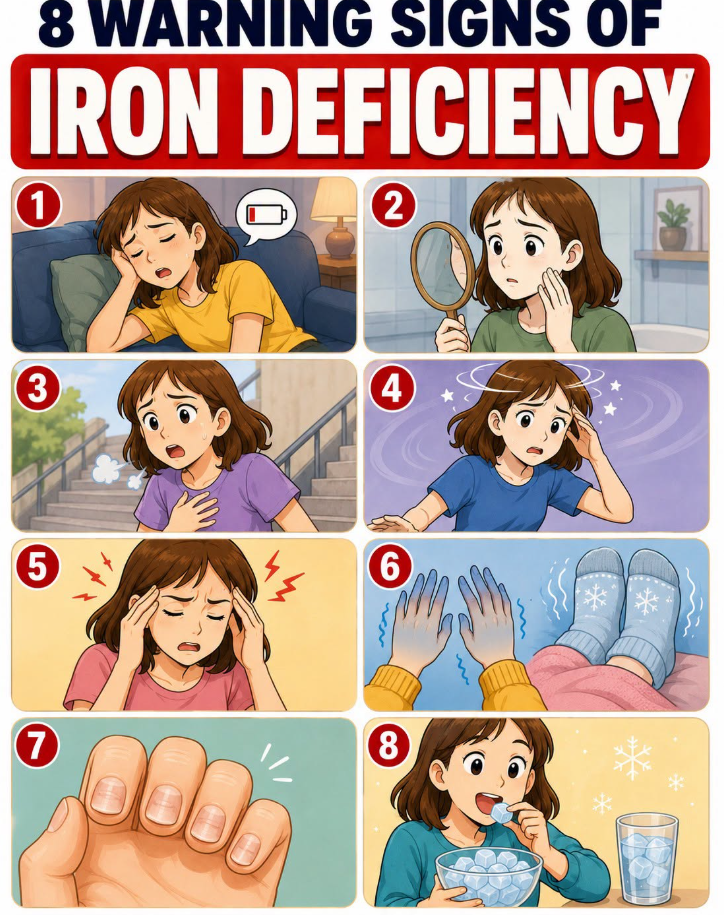
10 Common Signs of Iron Deficiency
Iron deficiency often develops gradually, so symptoms may be mild at first. Common warning signs include:
- Constant tiredness
- Low energy
- Pale skin
- Frequent headaches
- Shortness of breath
- Rapid heartbeat
- Chest pain
- Cold hands and feet
- Brittle nails
- Poor appetite or a sore, inflamed tongue
What Causes Low Iron Levels?
Several factors can reduce your body's iron stores.
1. Not Eating Enough Iron-Rich Foods
A diet low in iron is one of the most common causes of iron deficiency, especially over time.
2. Heavy Menstrual Bleeding
Women with heavy periods may lose more iron than their bodies can replace, increasing the risk of anemia.
3. Pregnancy
Pregnancy increases the body's iron requirements because more oxygen and nutrients are needed to support the growing baby.
4. Internal Blood Loss
Conditions such as stomach ulcers, digestive disorders, or long-term use of certain medications may cause hidden bleeding and gradual iron loss.
5. Poor Iron Absorption
Some digestive conditions make it difficult for the body to absorb iron efficiently, even when enough is consumed through food.
How Much Iron Do You Need?
Daily iron requirements vary by age and sex. Children, women of reproductive age, and pregnant women generally need more iron than adult men.
How to Improve Iron Absorption
Vitamin C helps the body absorb iron more efficiently. Pair iron-rich foods with foods high in vitamin C, such as:
- Bell peppers
- Broccoli
- Leafy green vegetables
This combination can significantly improve iron absorption.
Foods That May Reduce Iron Absorption
Some foods and drinks can interfere with iron absorption when consumed with iron-rich meals:
- Tea
- Coffee
- Milk and other calcium-rich foods
- Eggs
- Foods high in phytates or oxalates
Spacing these foods away from iron-rich meals may improve absorption.
Best Iron-Rich Foods
Animal Sources (Heme Iron)
These are absorbed most efficiently by the body:
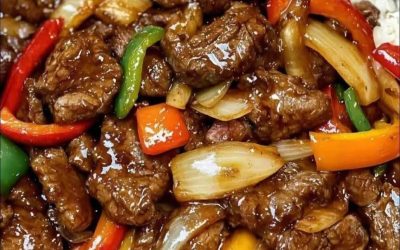
- Beef
- Chicken liver
- Oysters
- Mussels
- Clams
- Sardines
Plant Sources (Non-Heme Iron)
These are excellent choices, especially when paired with vitamin C:
- Beans
- Kale
- Pumpkin seeds
- Sesame seeds
- Dried apricots
- Broccoli
- Brown rice
- Nuts
- Baked potatoes
- Split peas
Other Ways to Increase Iron Levels
The article also recommends:
- Choose iron-fortified cereals and bread.
- Cook with cast iron cookware, which may increase the iron content of food.
- Take iron supplements only under medical guidance to avoid excessive iron intake and side effects.
Don't Forget Vitamin B12
Low vitamin B12 can also cause anemia. Foods such as beef liver, clams, chicken, trout, and fortified cereals provide vitamin B12 and support healthy red blood cell production.