Poor blood circulation can affect every part of your body. When blood doesn't flow efficiently, your organs and tissues receive less oxygen and fewer nutrients, which may lead to a wide range of symptoms. While cold hands and feet are common signs, poor circulation can also impact your brain, muscles, skin, and digestive system.
What Is Poor Blood Circulation?
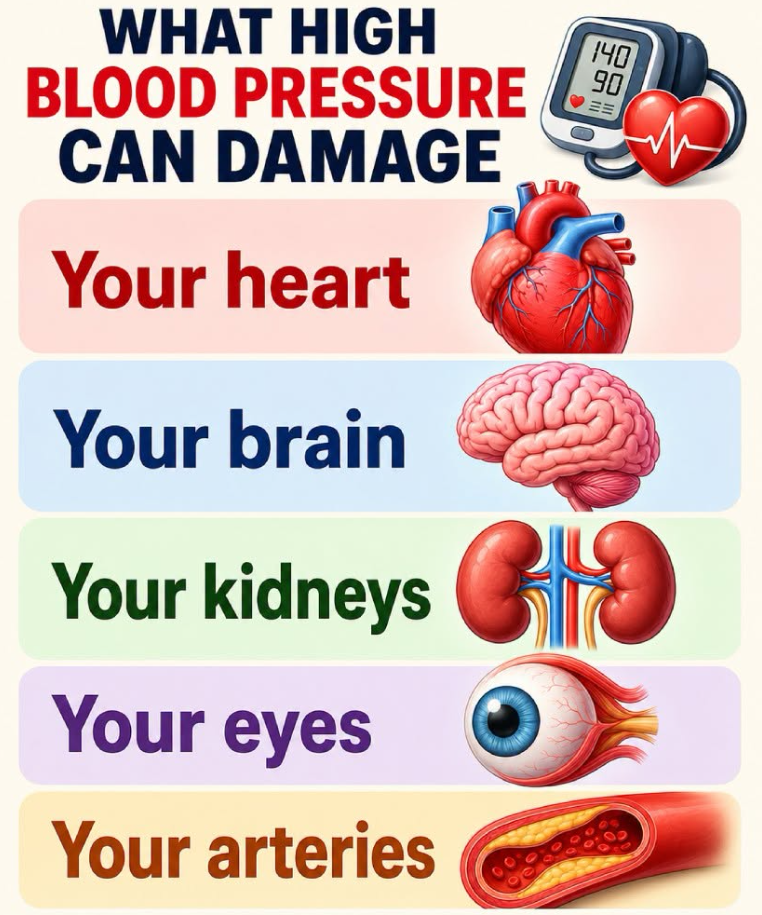
Your heart pumps oxygen-rich blood throughout your body. When arteries become narrowed or blood flow is restricted, your body cannot deliver enough oxygen and nutrients where they're needed. Conditions such as diabetes, smoking, obesity, and high blood pressure increase the risk of circulation problems.
15 Common Signs of Poor Blood Circulation
1. Cold Hands and Feet
One of the earliest warning signs is constantly cold hands or feet, even when the weather isn't cold.
2. Numbness and Tingling
Reduced blood flow may cause pins-and-needles sensations or numbness, especially in your hands and feet.
3. Fatigue
Without enough oxygen-rich blood, your muscles and organs work less efficiently, leaving you feeling tired more often.
4. Memory and Concentration Problems
Your brain depends on a steady blood supply. Poor circulation may affect focus, memory, and mental clarity.
5. Digestive Problems
Reduced blood flow to the digestive tract can contribute to abdominal pain, diarrhea, or other digestive discomfort.
6. Loss of Appetite
Some circulation disorders may reduce appetite by affecting blood flow to the digestive system.
7. Muscle Pain and Cramps
Poor circulation may cause aching legs, muscle cramps, or pain that worsens after standing or sitting for long periods.
8. Swelling
Fluid can build up in the feet, ankles, or legs when blood doesn't return efficiently to the heart.
9. Skin Color Changes
Poor circulation may cause pale, bluish, or purple-colored skin in affected areas.
10. Slow-Healing Leg Ulcers
Restricted blood flow can slow healing and increase the risk of sores or ulcers on the legs.
11. Hair Loss and Brittle Nails
Insufficient blood supply to the scalp and nail beds may contribute to thinning hair and weak nails.
12. Varicose Veins
Twisted, enlarged veins are often linked to poor circulation in the legs and may cause heaviness, itching, or pain.
13. Chest Pain (Angina)
Reduced blood flow to the heart can cause chest pain or pressure during physical activity.
14. Weakened Immune Response
Poor circulation may slow the movement of immune cells, making infections harder to fight and wounds slower to heal.
15. Erectile Dysfunction
Inadequate blood flow may contribute to erectile dysfunction in men.
Common Causes of Poor Circulation
The article identifies several possible causes:
- Being overweight
- Diabetes
- Smoking
- Thyroid disorders
- Peripheral artery disease
- Raynaud's disease
- Blood clots
- Nerve damage affecting blood vessels
How to Improve Blood Circulation
Simple lifestyle changes may help improve circulation:
- Exercise regularly.
- Maintain a healthy weight.
- Eat a balanced diet rich in fruits and vegetables.
- Stop smoking.
- Manage stress.
- Massage the legs to encourage blood flow.
When to Seek Medical Attention
Persistent symptoms such as severe leg pain, chest pain, significant swelling, recurring numbness, or sudden changes in circulation should be evaluated by a healthcare professional to identify the underlying cause.