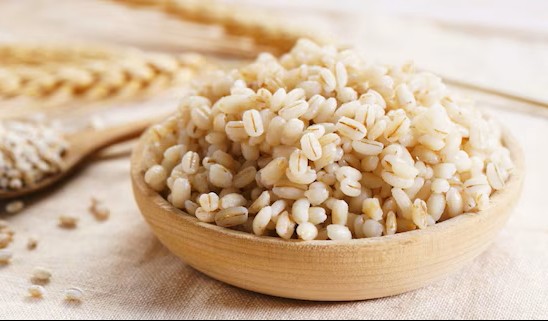
The numerous benefits, properties and (some) contraindications of barley
In the kitchen, barley is an extremely versatile grain. It's ideal for making soups, cold salads, and creamy grain dishes, while roasted barley is also a popular coffee substitute and available in instant powder form for breakfast. Thanks to its nutritional profile, barley is considered a valuable ally for digestive health, cardiovascular well-being, and overall nutrition. However, because it naturally contains gluten, it's not suitable for everyone.
Barley is one of the oldest cultivated grains in the world, with evidence of its cultivation dating back to around 7000 BC in Mesopotamia. Belonging to the Graminaceae family, its scientific name is Hordeum vulgare . Throughout history, it has been an important staple food in many cultures, used as an ingredient in bread, soups, and for brewing beer.
Before wheat became the dominant grain in much of the Mediterranean region, barley was one of the most widely consumed grains. It is still prized today for both its nutritional value and its culinary versatility.
In the United States, commercially available barley is generally sold in three forms. Hulled barley has only the tough outer layer removed, allowing it to retain much of the bran and nutrients. Pearled barley undergoes further polishing, resulting in a smoother texture and quicker cooking time, although some of the fiber and nutrients are lost during processing. Whole barley, which retains the bran, is less common and requires longer cooking times, but offers the highest fiber content.
Properties and benefits of barley
Barley provides an excellent combination of macro and micronutrients, including complex carbohydrates, protein, dietary fiber, vitamins, minerals, and beneficial plant compounds. Hulled barley is nutritionally more similar to whole grains than pearled barley because it retains more of its original structure.
According to the nutritional data, 100 grams of hulled barley provides approximately 354 kcal, consisting primarily of complex carbohydrates, about 17 grams of dietary fiber, and about 12 grams of protein. Cooked pearl barley contains fewer calories per serving due to its higher water content, while still providing beneficial amounts of protein and fiber.
Although barley contains a relatively high amount of protein for a grain, it doesn't provide all the essential amino acids in the ideal ratios. Like many grains, it's relatively low in lysine. Pairing barley with legumes helps create a more balanced protein profile.
The dietary fiber contained in barley contributes to digestive health by promoting bowel regularity. Barley is also naturally rich in potassium, phosphorus, magnesium, zinc, copper, manganese, B vitamins, and bioactive compounds such as beta-glucans, which have been extensively studied for their potential role in supporting cardiovascular and metabolic health.
One of barley's greatest strengths lies in its unique combination of fiber and plant compounds that can support multiple body systems. Here's a more detailed analysis of its most significant benefits.