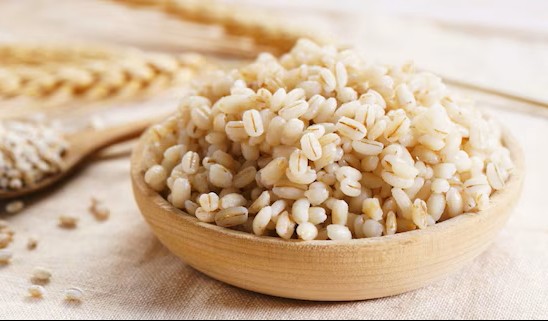
1. Promotes intestinal health
Barley is particularly rich in soluble fiber, especially beta-glucans. This fiber helps regulate the intestines and acts as a prebiotic, nourishing the beneficial bacteria in the digestive tract.
A healthy gut microbiota plays an important role in digestion, immune function, and overall well-being. An adequate fiber intake can also help promote digestive health and maintain a balanced intestinal environment.
2. Helps maintain healthy blood sugar levels
Beta-glucans slow the digestion and absorption of carbohydrates, helping reduce rapid blood sugar spikes after meals. As part of a balanced diet, barley can help improve blood sugar management and support overall metabolic health.
3. Promotes heart health
Regular consumption of foods rich in soluble fiber has been associated with improved cardiovascular health. Beta-glucans can help lower LDL cholesterol levels by reducing its absorption in the digestive tract. Additionally, barley provides minerals and B vitamins that contribute to normal cardiovascular function.
4. Promotes a feeling of satiety
Thanks to its high fiber content and ability to absorb water during cooking, barley promotes a longer-lasting feeling of satiety. Including barley in meals can help reduce hunger between meals and promote healthy weight management, when included in an overall balanced diet.
5. Provides antioxidant compounds
Barley contains flavonoids, lignans, phenolic compounds, and other naturally occurring antioxidants. These substances help protect cells from oxidative stress, which is associated with normal aging and numerous chronic diseases.
In addition to aiding digestion and cardiovascular health, barley also provides valuable minerals that contribute to daily well-being and can support several important body functions.