When ants become extremely active
Sometimes it seems like ants are everywhere at once, moving quickly and collecting food from multiple locations.
This behavior is often observed during periods of stable climate. Drought conditions and constant atmospheric pressure provide ideal opportunities for foraging and accumulating food reserves.
Traditional meaning: Clear skies and good weather ahead.
Practical explanation: Favorable conditions allow ants to gather resources efficiently.
When ants seal the entrances to their nest
If you notice ants narrowing or partially blocking the entrances to their nests with soil, leaves, or debris, this behavior is commonly associated with the arrival of thunderstorms.
By reducing the size of nest openings, ants can help limit water infiltration and protect the colony from flooding.
Traditional meaning: Heavy rain or thunderstorms may be approaching.
Practical explanation: The ants are strengthening their nests to protect them from humidity.
When ants reopen their nests
After the rainy season, ants often work hard to repair their tunnels and reopen their entrances.
This activity generally indicates that conditions have become drier and safer for the colony to function normally.
Traditional meaning: Improving weather and clear skies ahead.
Practical explanation: the colony is resuming normal activity after a period of unfavorable conditions.
When ants suddenly disappear
If usually active ants suddenly become difficult to find or appear lethargic, this could coincide with changes in temperature or atmospheric pressure.
Many insects reduce their activity levels when environmental conditions become less favorable.
Traditional meaning: Colder temperatures or unstable weather conditions may be approaching.
Practical explanation: The ants are conserving energy and reacting to environmental changes.
Beyond weather forecasting and folklore, ants also offer valuable lessons about organization, preparation, and working together to achieve common goals.
The symbolic meaning of ants in many traditions
Throughout history, ants have symbolized diligence, patience, cooperation, and perseverance.
Because ants work together in highly organized colonies, they are often considered a reminder of the importance of teamwork and preparation.
Many cultures see ants as symbols of:
• Hard work and perseverance
• Careful planning for the future
• Community and cooperation
• Ingenuity and resilience
• Ability to adapt to changing conditions
Summary of common ant behaviors
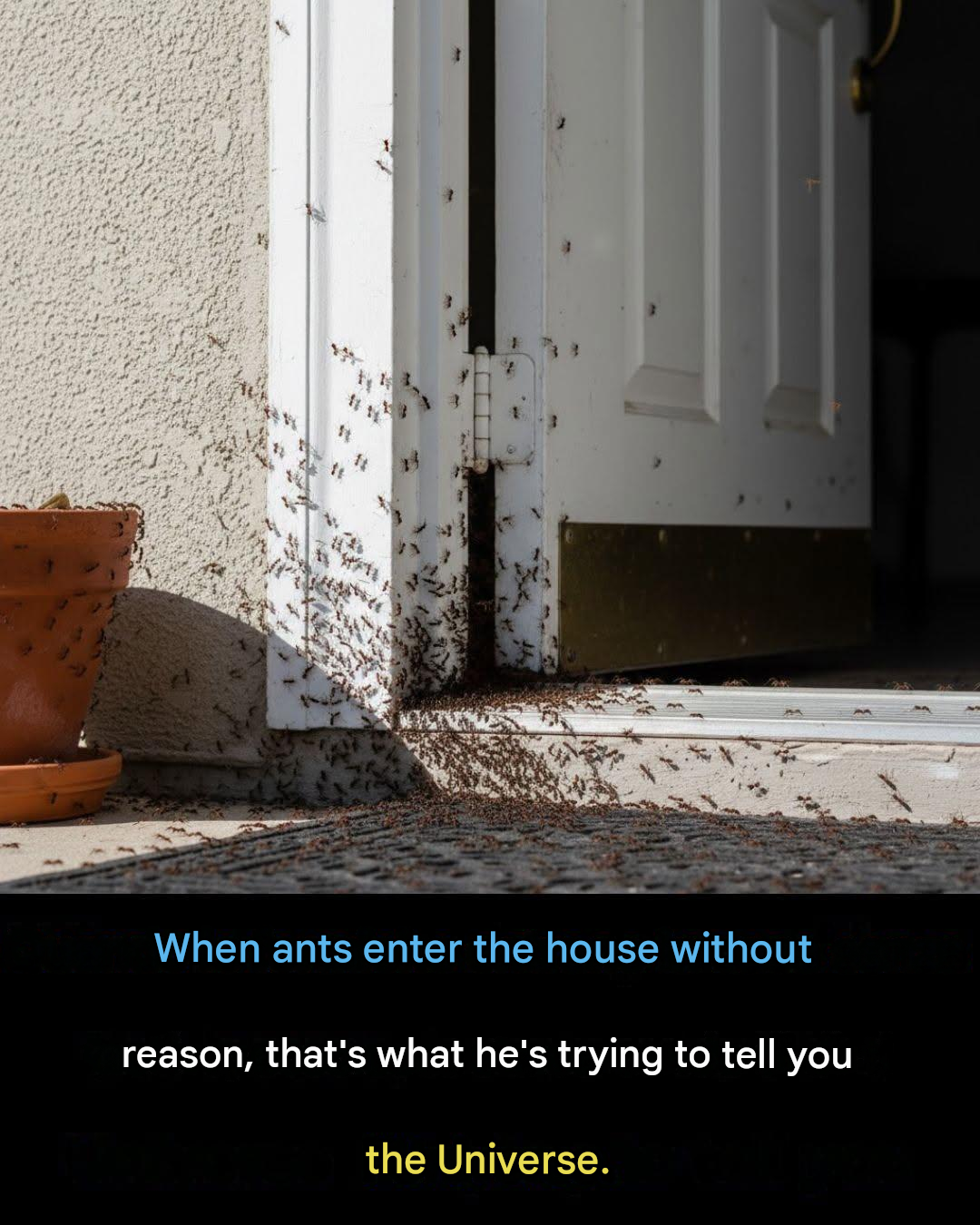
Ants entering the house: Often associated with increased humidity or impending rain.
Ants moving their nests higher up: this could indicate that they are expecting wetter weather.
Very active ants: they are frequently observed during periods of stable and favorable weather.
Ants seal nest entrances: a possible reaction to approaching storms.
Reopening of ant nests: This usually occurs after improved weather conditions.
Reduction in ant activity: This may coincide with lower temperatures or environmental changes.
Final considerations
Whether you view ant behavior as a message from nature, a traditional symbol, or simply the result of extraordinary insect instincts, observing these tiny creatures can be surprisingly instructive.
Ants constantly adapt to their surroundings, preparing for challenges before they even arise. Their behavior reminds us of the value of observation, preparation, and resilience—qualities that remain as important for humans as they are for ants themselves.