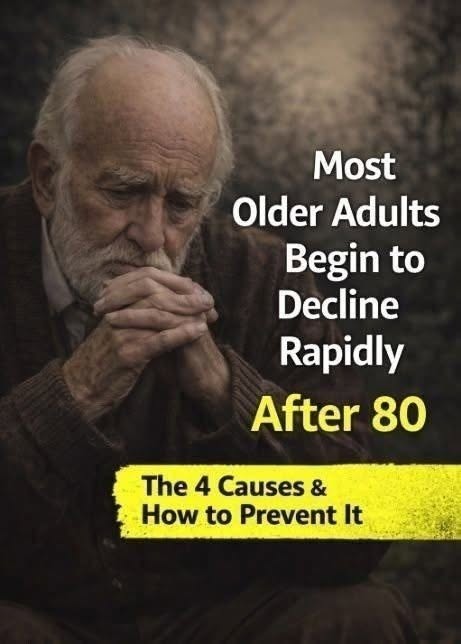
4. Loneliness and Mental Health Can Affect the Body
Health after 80 is not only about the body. Emotional health matters too.
Many older adults experience major life changes, such as retirement, the loss of a spouse, fewer social activities, health limitations, or friends and family moving away. These changes can sometimes lead to loneliness, sadness, anxiety, or a loss of purpose.
Loneliness can affect more than mood. It may also influence sleep, appetite, energy levels, memory, motivation, and overall health.
Human connection is powerful at every age.
Older adults often do better when they stay connected through:
Family visits.
Phone calls.
Friendships.
Community groups.
Religious or spiritual gatherings.
Hobbies.
Volunteering.
Simple daily conversations.
Feeling needed, loved, and included can bring comfort and purpose. A strong support system can also help older adults notice health changes sooner and get help when needed.
How to Support a Longer, Healthier Life After 80
Aging cannot be stopped, but many healthy habits can support better quality of life.
Helpful habits include:
Eating balanced meals with enough protein, fruits, vegetables, and whole grains.
Drinking enough water.
Staying physically active in a safe way.
Keeping up with medical appointments.
Taking medications as directed.
Preventing falls at home.
Getting enough sleep.
Staying socially connected.
Keeping the mind active through reading, puzzles, learning, music, or conversation.
Asking for help when needed.
Small daily habits can add up over time.
Final Thoughts
Life after 80 can bring more health challenges, but it can also bring wisdom, joy, family memories, and meaningful experiences.
The goal is not only to live longer. The goal is to live better.
The four major challenges of aging are slower body repair, chronic health conditions, muscle loss, and loneliness. Understanding these challenges allows older adults, families, and caregivers to respond with care instead of fear.
With support, healthy habits, medical attention, movement, and connection, many people continue to enjoy rich and meaningful lives well beyond 80.
Aging is not just about counting years. It is about protecting health, preserving dignity, and making every stage of life as full as possible.